Before you take any supplement with caffeine and concentrated botanicals, safety questions come first. Here is what to know about SodaBurn, who should avoid it and when to talk to a professional.
- Not for under-18s, pregnancy or nursing
- Consult a physician if you take medication or have a condition
- Caffeine and rare liver reports are the main considerations
- Follow the directions and do not exceed 2 droppers
What the site says
The site's own safety text covers the basics: SodaBurn is not FDA-approved (no dietary supplement can be), it is not a substitute for medication or medical treatment, it contains natural caffeine from green tea leaf and guarana, and anyone who is pregnant, nursing, under 18 or has a medical condition should consult a healthcare professional first. Because amounts are not published, that last point covers more people than it sounds: those on diabetes medicine (chromium), blood thinners (grape seed, green tea), thyroid or hormone-related treatment (maca), or heart, blood-pressure, anxiety or liver conditions.
Stop and seek advice if you notice a racing heart, chest pain, severe headache, yellowing of the skin or eyes, dark urine or persistent stomach pain. See NCCIH's guidance on using supplements wisely and NIH's consumer fact sheet.
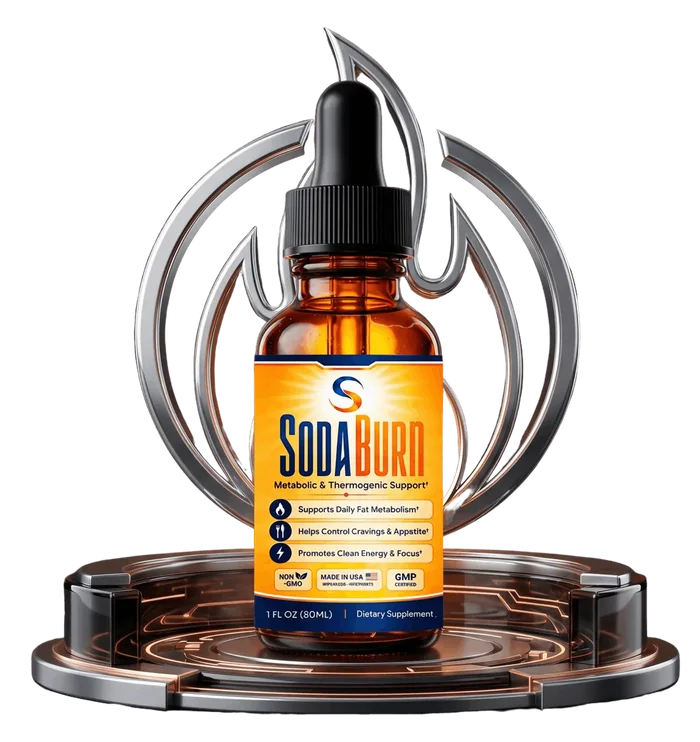
The caffeine consideration
Two of SodaBurn's six ingredients, green tea leaf and guarana, are natural sources of caffeine. The site says so directly, and that candor is helpful: 'no harsh stimulants' means no synthetic stimulants, not no caffeine. The amount of caffeine per serving is not published, so you cannot assume it is small. The FDA says up to about 400 mg a day is generally not associated with negative effects in most healthy adults, but sensitivity varies a lot. FDA guidance · Mayo Clinic
Count SodaBurn in your daily caffeine total, start with the low end of the 1 to 2 droppers direction and avoid taking it late in the day. Common signs of too much caffeine are jitters, a faster heartbeat, stomach upset and trouble sleeping.
| Ingredient | Traditionally used for | Caffeine source? | Evidence in people |
|---|---|---|---|
| Chromium | Insulin and carbohydrate handling | No | Little or no effect on weight in most trials |
| African Mango Seed | Appetite and weight | No | Small, short trials; low certainty |
| Green Tea Leaf | Antioxidants and metabolism | Yes (natural) | Modest and mixed; rare liver reports with concentrated extracts |
| Guarana Seed | Energy and alertness | Yes (natural, concentrated) | Caffeine effect is real; weight evidence is limited |
| Maca Root | Vitality and stamina | No | Small studies on mood and libido; none for weight |
| Grape Seed Extract | Antioxidant polyphenols | No | Small studies, mostly on blood pressure |
The website does not publish per-ingredient amounts. The evidence column is a plain summary of research on each ingredient, not a claim about the finished product.
Green tea and the liver
Green tea leaf extract brings antioxidant catechins and a measure of caffeine. SodaBurn does not publish how much of either per dose, so the caffeine contribution from this ingredient is unknown. See NCCIH's green tea page and published studies.
If you already drink several cups of green tea or take a green tea supplement, count it. Rare liver reports involve concentrated extracts, and anyone with a liver condition should check with a clinician first.
→ Full page: Green Tea Leaf in SodaBurn
Chromium and blood sugar
Chromium is an essential trace mineral that the body needs in very small amounts, found naturally in foods such as whole grains, broccoli and meat. In supplements it is usually sold as chromium picolinate or a similar salt; the SodaBurn site names only 'Chromium' without a form or an amount. The NIH Office of Dietary Supplements notes that chromium has a role in how the body handles insulin and carbohydrates. NIH ODS fact sheet · Wikipedia
Evidence for chromium and weight is underwhelming. Trials, mostly of chromium picolinate, have found little or no meaningful weight loss, and results vary. It may lower blood sugar slightly, so people on diabetes medicine should speak to their doctor before taking it.
→ Full page: Chromium in SodaBurn
Grape seed extract and blood thinners
Grape Seed Extract is made from the seeds left over from winemaking and is rich in polyphenols called proanthocyanidins. It is included in SodaBurn for antioxidant support. NCCIH says it is generally well tolerated, with possible effects on blood clotting that matter for people on blood thinners. NIH NCCIH on grape seed extract · Wikipedia
Research in people is small and mostly about blood pressure and circulation, not weight. It is best seen as a wellness ingredient rather than a metabolic one.
→ Full page: Grape Seed Extract in SodaBurn
Who should talk to a professional first
Talk to a doctor or pharmacist before use if any of these apply: you are pregnant, planning pregnancy or nursing; you take medication, especially for diabetes, blood pressure, heart rhythm, thyroid conditions, anxiety, depression or blood clotting; you have liver, kidney, thyroid or heart problems; you are sensitive to caffeine; or you are scheduled for surgery.
Bring the bottle and its Supplement Facts panel. It helps a clinician judge quickly.
Using it as directed
The direction on the site is: shake well, then take 1 to 2 droppers daily, added to water, at the same time each day, as directed on your bottle label. There is no loading phase and no instruction to take more. If the bottle label gives a different amount, follow the bottle.
Because there is caffeine in the formula, most people choose the morning. Start with 1 dropper for the first few days to see how you feel before moving to 2, and keep your usual coffee or tea in check while you do.
Further reading
For general consumer guidance on supplements, see NIH's consumer fact sheet. For product-specific questions, read how SodaBurn works and the dosage and usage guide.
Related reading: SodaBurn Reviews: What to Know Before Trying SodaBurn; SodaBurn Ingredients: A Complete Guide for Beginners; SodaBurn Benefits and What Users Should Know; Is SodaBurn Worth Trying for Weight Management?.
Frequently asked questions
Is SodaBurn safe?
It is intended for healthy adults used as directed, but it contains caffeine and botanical extracts and is not suitable for everyone. Ask a clinician if you take medication or have a condition.
Can I take it while pregnant or nursing?
The site says to consult a healthcare professional first. Most guidance is to avoid caffeine-containing supplements during pregnancy and nursing unless a doctor agrees.
What side effects should I watch for?
Jitteriness, fast heartbeat, stomach upset, trouble sleeping, or symptoms such as yellowing skin or dark urine, which need urgent attention.
Sources and further reading
General background from government and reference sources. They describe the ingredients and supplement safety in general, not SodaBurn itself, which has no published clinical trial.
- Chromium: NIH Office of Dietary Supplements
- Chromium consumer fact sheet: NIH ODS
- Chromium: Wikipedia
- Chromium and body weight: PubMed
- Green tea: NIH NCCIH
- EGCG: Wikipedia
- Green tea extract and weight/liver: PubMed
- Grape seed extract: NIH NCCIH
- Grape seed extract trials: PubMed
- Grape seed extract: Wikipedia
- Herbal supplements and liver injury: PubMed
- How much caffeine is too much? FDA
- Caffeine: how much is too much? Mayo Clinic
- Caffeine: Wikipedia
- Caffeine and energy expenditure: PubMed
- Using Dietary Supplements Wisely: NIH NCCIH